
Whether you’re just starting out or have years of experience, developing solid habits is key to progressing in gymnastics. While advanced techniques and high-level skills may seem like the focus of elite athletes, it’s the consistent, everyday habits that really lay the foundation for success. From beginners mastering basic movements to seasoned gymnasts perfecting intricate routines, certain practices are universally beneficial. In this post, we’ll explore gymnastics habits that can help athletes of all levels build strength, improve flexibility, and enhance performance. No matter where you are in your gymnastics journey, these tips will help you develop a more effective and sustainable training routine.
Habits for Beginner Gymnasts
Daily Stretching Routine
Stretching is so important for all levels, but for beginner gymnasts, it’s a must-do to establish good habits and to kick start your flexibility. As a beginner, you’re not likely very flexible, which is perfectly fine! That’s why adding a daily stretching routine for just 5-10 minutes of basic stretches each day will help to improve your flexibility (splits, bridges, and shoulder stretches).
Here is a great tool to start with:
Hydration Habit
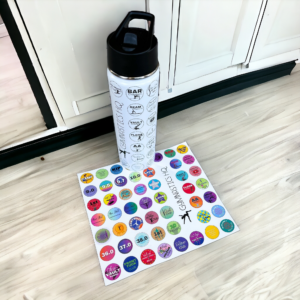
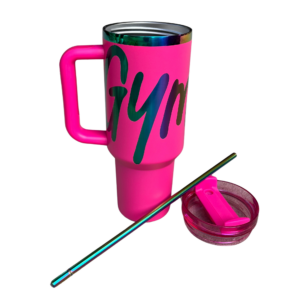
Staying hydrated is one of the simplest yet most important habits for any gymnast, especially for beginners. Proper hydration supports energy levels, improves focus, and aids in muscle recovery—essential elements for both practice and progress. As a beginner, it’s easy to overlook the importance of drinking enough water, but developing a hydration routine early on can make a big difference in your performance. Drink up, and feel the difference in your training! It’s helpful to carry a water bottle with you throughout the day to accomplish this goal.
Here are our favorites:
Healthy Snacking
As a beginner gymnast, fueling your body properly is just as important as perfecting your technique. Healthy snacks can provide the energy and nutrients you need to power through practice, support muscle recovery, and maintain focus throughout your day. Rather than reaching for sugary or processed options, choosing nutrient-dense snacks—like fruits, yogurt, nuts and whole grains before and after practice—can help keep your energy levels stable and your body in peak condition. Start nourishing your body the right way, and watch your performance soar!
Here is a great resource to check out!
Hand Care Routine
As a beginner gymnast, your hands are one of your most important tools. Whether you’re gripping bars, vaulting, or working on floor routines, taking care of your hands is essential to prevent blisters, calluses, and injuries. A proper hand care routine can help keep your skin healthy, strong, and ready for the demands of training. From moisturizing and exfoliating to using protective grips, and washing your hands – these small daily habits can make a big difference in preventing discomfort and ensuring you stay on track.
We recommend using the RiptKit which is made specifically for gymnasts (and cross-fitters) who work out really hard on bars. It includes a pumice to shape and smooth calluses, a daily dose hand balm to hydrate calluses and prevent tears, and then a post rip quick-fix balm to seal off rips once they happen. Using something like RiptKit consistently can help prevent huge rips.
Positive Mindset Practice
A strong, positive mindset is just as important as physical strength when it comes to gymnastics. As a beginner, you may encounter challenges that test your confidence and patience, but developing a mental routine can help you stay focused and resilient. One powerful tool is the use of affirmations—simple, positive statements like “I am strong” or “I can do hard things”—which can help reframe your mindset and boost self-belief. By incorporating affirmations into your training, you’ll cultivate a mindset that thrives on growth, encourages self-compassion, and builds confidence.
Our Mental Toughness Resources guide is full of resources to work on your mindset, including free downloads for mantras, confidence bundle and more!
Habits for Beginner Team Gymnasts
Pre-Practice Warm-Up Ritual
For beginner team gymnasts, establishing a consistent pre-practice warm-up routine is essential for both physical preparation and mental focus. A well-rounded warm-up helps prevent injuries, increases flexibility, and primes your body for the intense movements you’ll be practicing. Beyond the physical benefits, a warm-up ritual can also help you mentally transition into practice mode, helping you focus and feel confident. Spending an extra 5 minutes before practice doing dynamic stretches can help prevent injury. Whether it’s light cardio, dynamic stretches, or simple drills, having a go-to warm-up routine can set the tone for a productive practice session.
Here is a great workout and you can see the full blog post with a free download here!
Goal-Setting Routine
Setting clear, achievable goals is a key habit for any gymnast, especially for beginners on a team. A solid goal-setting routine helps you stay focused, track progress, and celebrate small wins along the way. Start by setting a specific weekly goal, such as improving a particular skill or mastering your form on a specific apparatus. Breaking down larger goals into manageable, short-term objectives makes it easier to stay motivated and committed. Whether it’s perfecting a handstand or improving flexibility, regularly setting and reviewing your goals will help you stay on track and build confidence in your abilities.
Here are some of our favorite goal setting resources:
Gymnastics Goal Sheets: Do a Deep Dive, Plan your Goals and more!
Setting Goals for Maximum Success This Gymnastics Season
3 Gymnastics Goals You Should Set Today
10 Non-Score Goals you Can Set this Gymnastics Season
7 Tips to Help you Set & Achieve your Gymnastic Goals
Getting the Most Out of Your Gymnastics Goals This Season
Slay Your Gymnastics Goals this Year with these 7 Steps
Strength Training at Home
Strength training doesn’t have to happen at the gym—beginner team gymnasts can easily build strength right at home with simple yet effective exercises. Focusing on core strength is especially important for improving balance, stability, and overall performance in gymnastics. Incorporating exercises like planks, push-ups, and hollow holds into your routine can help build a solid foundation of strength without needing any equipment. These bodyweight exercises target key muscle groups and can be done at any time, whether as part of a warm-up or on rest days to complement your regular training.
Here is one of our favorite home workouts for our favorite skill – handstands!
Skill Visualization
Visualization is a powerful tool for improving your gymnastics performance, especially for beginners. By mentally rehearsing your skills, you can build confidence, reinforce technique, and enhance muscle memory. Spend 2-3 minutes before bed each night visualizing yourself performing specific skills perfectly, whether it’s executing a flawless cartwheel or sticking your landing. This practice helps your mind and body align, making your movements feel more natural when you’re in the gym.
Here is one of our visualization videos:
Proper Sleep Schedule
A consistent sleep schedule is crucial for any gymnast, especially for beginners who are still building strength, technique, and endurance. Prioritizing 9-10 hours of sleep each night gives your body the time it needs to recover, repair muscles, and consolidate the skills you’ve practiced. Proper rest not only supports physical recovery but also enhances mental focus and performance.
Habits for Advanced Team Gymnasts
Post-Practice Recovery Routine
For advanced team gymnasts, a well-structured post-practice recovery routine is essential for maintaining peak performance and preventing injuries. Intense training sessions take a toll on your muscles, so taking time to properly recover is key to staying strong and progressing. Incorporate foam rolling and light stretching into your routine to reduce soreness, improve flexibility, and speed up muscle recovery. Foam rolling helps release tension in tight muscles, while gentle stretching promotes blood flow and flexibility.
Here is a foam roller we love and an easy flexibility/stretching workout you can do post-practice.
Meal Planning
As an advanced team gymnast, meal planning plays a critical role in fueling your intense training sessions and supporting your overall performance. To stay at the top of your game, focus on creating balanced meals that include a healthy mix of protein, healthy fats, and carbohydrates. Protein helps repair and build muscle, healthy fats support joint health and energy, and carbohydrates provide the sustained energy you need during long or intense practices.
Journaling for Mindset and Meets
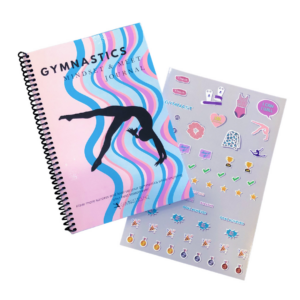
For advanced team gymnasts, maintaining a strong, positive mindset is just as important as physical training. Using a Gymnastics Mindset & Meet Journal is a great way to reflect on your practice sessions and competitions, track your progress, and stay motivated. Regular journaling allows you to process your emotions, identify areas for improvement, and celebrate your successes—no matter how small. By jotting down thoughts about specific skills, mental blocks, or highlights from meets, you can stay focused on your goals and continue building confidence.
Flexibility Maintenance
Maintaining flexibility is crucial for advanced team gymnasts to improve performance and prevent injuries. Regular flexibility work helps you execute movements with precision, enhance your range of motion, and stay injury-free during intense training. Incorporate active flexibility drills like kick walks, needle kicks, and dynamic leg swings into your routine to target key muscle groups and maintain flexibility. These exercises engage muscles actively, improving both strength and flexibility in the same motion.
Mindfulness Practice
Mindfulness is a powerful tool for advanced team gymnasts to manage stress, stay focused, and enhance overall performance. Taking just 5 minutes each day to practice deep breathing or meditation can help clear your mind, reduce anxiety, and improve your mental clarity. These practices allow you to reset before or after training, helping you stay present and focused on your goals.
Here is a great resource that incorporates several aspects:


3 Comments
thanks sm!
Developing consistent habits in gymnastics is the key to mastering new skills and preventing injuries regardless of your current athletic level, many dedicated athletes also incorporate high-quality dietary aids into their daily routine to support their recovery and overall energy, browsing a brickhouse nutrition review is a good way to see what others think about the taste and effectiveness of their supplements, staying disciplined with both your training and your health is what leads to long-term success, keep pushing your limits in the gym.
Maintaining that balance is key, and after a demanding session at the gym, I love to unwind and reward myself. There’s nothing quite like relaxing with a glass of la rioja alta vina alberdi reserva 2020 to end the day on a high note. Quality recovery is just as important as the training itself for staying motivated and injury-free!